
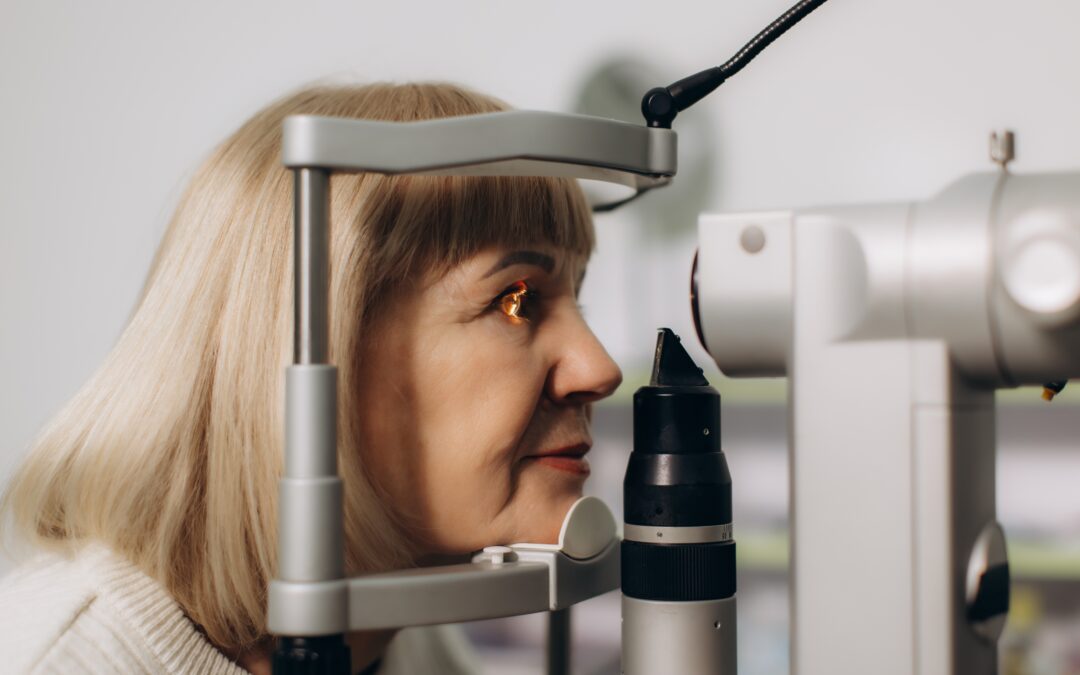
Glaucoma has earned its reputation as a silent thief of sight because it can quietly damage your vision for years before you notice that anything has changed.
By the time most people sense a problem, permanent damage has often already happened. That is why regular glaucoma screenings matter at every age, not only after you turn 60. A screening is quick, painless, and one of the most dependable ways to guard your sight over a lifetime.
Keep reading to learn how a screening works, how your risk shifts over the decades, and why catching glaucoma early protects the vision you depend on every day.
What Makes Glaucoma So Hard to Notice on Your Own?
Glaucoma is a group of eye diseases that gradually damage the optic nerve, the bundle of fibers that carries images from your eye to your brain. In most cases, elevated pressure inside the eye slowly injures these fibers, and once they are lost, they cannot grow back. The pressure tends to build when fluid that normally circulates through the eye can no longer drain efficiently.
The most common form, open-angle glaucoma, advances so slowly and painlessly that there are usually no early warning signs. It tends to affect peripheral vision first, so your central sight can feel perfectly normal while your side vision narrows without your knowledge.
Your brain is remarkably good at filling in the missing pieces, which is part of the problem. This natural compensation makes early vision loss nearly impossible to catch without a proper test.
What Actually Happens During a Glaucoma Screening
A glaucoma screening is built into a comprehensive eye exam. Your eye doctor gathers several measurements that, taken together, reveal how healthy your optic nerve is.
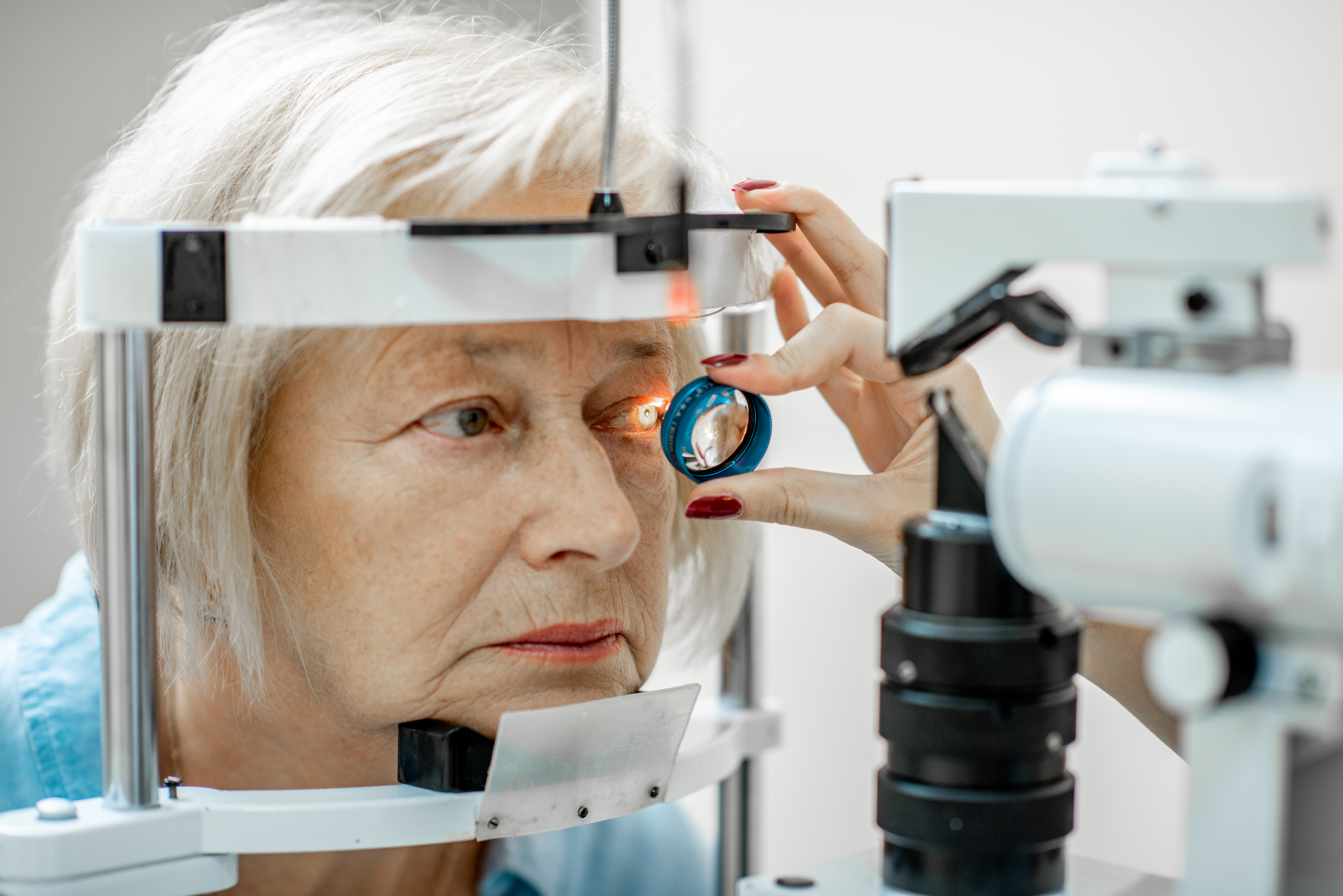
The exam usually includes tonometry, a quick and gentle measurement of the pressure inside your eye. After dilating your pupils, your doctor examines the optic nerve directly and looks for any signs of thinning or damage.
Additional tests may check your peripheral vision, the thickness of your cornea, and the drainage angle where fluid leaves the eye. Imaging can map the optic nerve in fine detail, revealing subtle changes long before you would notice them yourself.
This is why a thorough screening looks at far more than eye pressure alone, since some people develop glaucoma even when their pressure reads within a normal range.
How Glaucoma Risk Changes Over a Lifetime
Glaucoma is often thought of as an older person’s disease, but reasons to be screened exist at every stage of life. What changes is the level of risk and how often screening makes sense.
Children and Young Adults
Glaucoma is uncommon in young people, yet congenital and juvenile forms do occur and can threaten sight if they go unnoticed. Because children rarely recognize or describe vision problems, routine eye care matters from an early age. That makes regular childhood eye exams the earliest line of defense, giving your doctor a chance to catch elevated pressure before it can quietly harm a young optic nerve.
Adults Through Midlife
Adults in their 40s benefit from a baseline screening, since this is when subtle changes in eye pressure and optic nerve health can first appear. Certain medical conditions raise the stakes during these years. People with diabetic eye disease, for example, face roughly double the risk of developing glaucoma.
Older Adults
The likelihood of open-angle glaucoma climbs steadily with age, which is why screenings become more frequent for adults in their 60s and beyond. African American and Hispanic adults tend to develop it earlier and more often, which makes consistent screening especially valuable. Regular monitoring at this stage catches pressure changes early and allows treatment to begin before your vision is affected.
Who Faces a Higher Risk of Glaucoma?
Everyone should be screened for glaucoma on a regular basis, but some people carry a greater risk than others. The three most significant factors are age, family history, and past eye injuries, though several others deserve attention as well.
- A family history of glaucoma, which can raise your risk several times over
- Diabetes and other conditions that affect blood flow to the optic nerve
- Being very farsighted, which is linked to the less common angle-closure type
- Previous eye trauma or long-term use of steroid medications
If any of these apply to you, mention it to your eye doctor so your screening schedule can be adjusted accordingly. Since many people with glaucoma notice no symptoms at all until it has advanced, early detection through regular exams remains your most reliable protection against losing vision to the disease.
Why Early Detection Opens More Treatment Doors
Glaucoma cannot be cured, and vision already lost to it cannot be restored. That reality is exactly why timing matters so much. When the disease is caught early, there are more ways to protect the sight you still have.
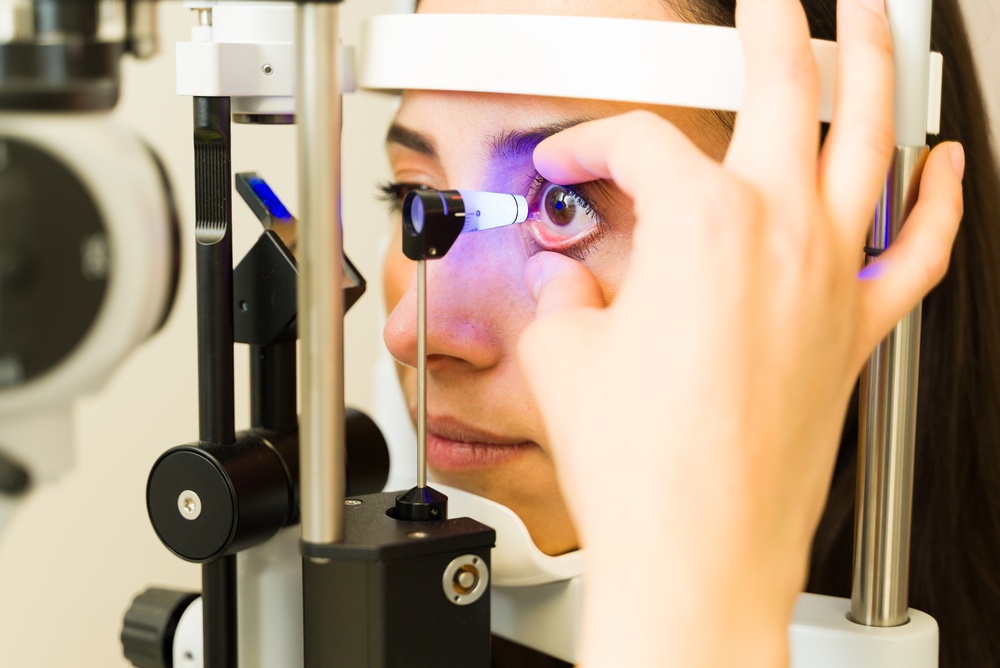
Treatment for glaucoma centers on lowering the pressure inside the eye to spare the optic nerve. Depending on your case, the specialized team at Eye Care & Vision Associates may recommend medicated eye drops, laser procedures, or minimally invasive surgery as part of ongoing glaucoma management. Many patients keep their pressure under control for years with a steady routine and regular follow-up visits.
Acute angle-closure glaucoma is a different situation and a true emergency. Sudden eye pain, headache, nausea, and halos around lights call for immediate care, so it helps to know the first signs of glaucoma well before any crisis arises.
Protecting Your Sight Starts With Regular Screenings
Glaucoma rarely announces itself, so waiting for symptoms is not a safe strategy at any age. Regular glaucoma screenings give your doctor the chance to spot trouble early, when treatment can do the most good. The experienced doctors at Eye Care & Vision Associates make these screenings a straightforward part of caring for your long-term vision.
When was your last glaucoma screening? Schedule an appointment at Eye Care & Vision Associates in Buffalo, NY, online or by calling 716.631.EYES (3937) to protect your vision at every stage of life.