
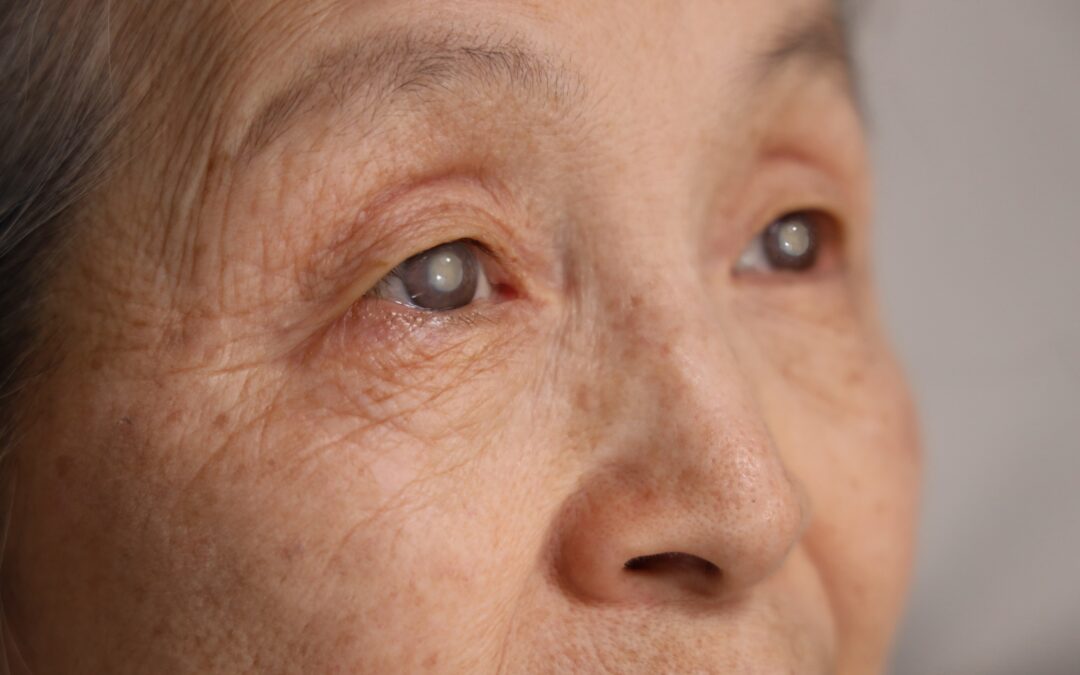
Cataracts in both eyes are very common, especially with age, although the two eyes rarely change at the same pace. One eye may feel fine while the other struggles with glare or faded colors, and the stronger eye often hides problems in the weaker one.
Keep reading to learn why cataracts tend to affect both eyes, which symptoms to watch for, and how surgery works when both eyes need treatment.
What Is a Cataract?
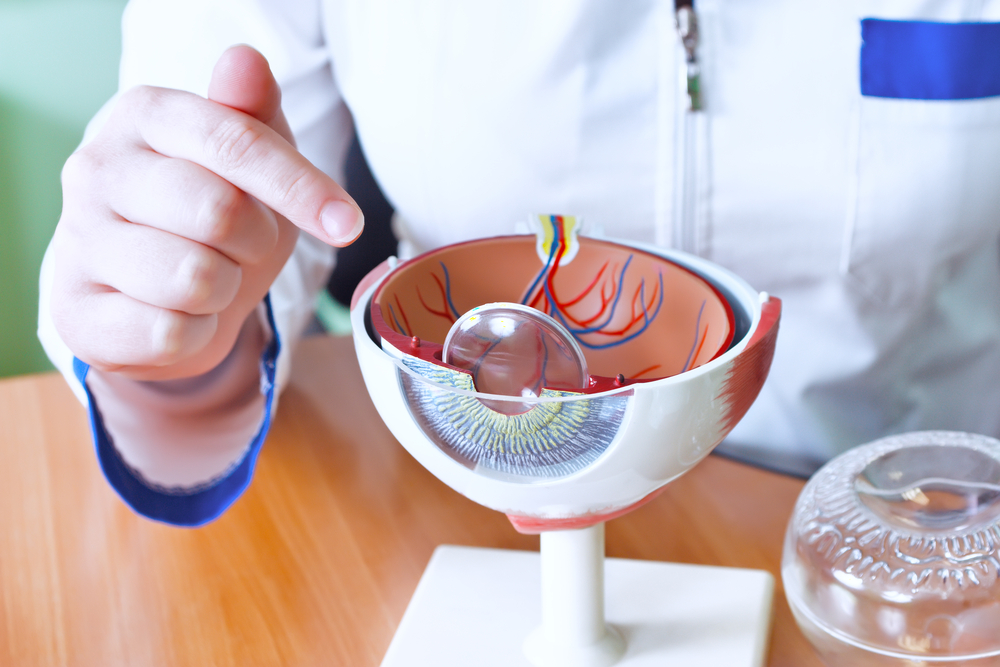
A cataract is a clouding of the eye’s natural lens. The lens sits behind the pupil and focuses light onto the retina, the light-sensitive tissue at the back of the eye. When proteins in the lens break down and clump together, the lens becomes hazy, yellow, or brown. Light can no longer pass through cleanly, so the image reaching the retina looks blurred or dim. Glasses can sharpen vision for a while, but they cannot clear a cloudy lens.
Do Cataracts Develop in Both Eyes at the Same Time?
Most age-related cataracts are bilateral, meaning they form in both eyes. Both lenses age together, and the forces that cloud one lens usually act on the other. Several risk factors affect both eyes at once, including diabetes, long-term steroid use, smoking, years of unprotected sun exposure, and family history.
A cataract that follows an eye injury works differently. Traumatic cataracts usually affect only the injured eye, which is one reason the different types of cataracts can behave so differently from patient to patient.
Even when cataracts in both eyes start around the same time, one usually advances faster. The type of cataract, its location in the lens, and small differences between the eyes all affect how quickly vision changes.
Doctors track this progression through the stages of cataracts, from early haziness to significant vision loss. Each eye is evaluated separately, and each may reach the point of needing treatment at a different time.
What Symptoms Should You Watch For?
Cataract symptoms develop slowly, over months or years.
Some of the early warning signs of cataracts include:
- Blurry or cloudy vision, like looking through a foggy window
- Glare and halos around lights, especially while driving at night
- Colors that look faded or yellowed
- Needing brighter light to read
- Frequent changes to your glasses prescription
When both eyes are affected, these problems become harder to work around. Night driving is often the first activity patients give up, since headlight glare affects both eyes at once.
How Is Cataract Surgery Handled When Both Eyes Are Affected?
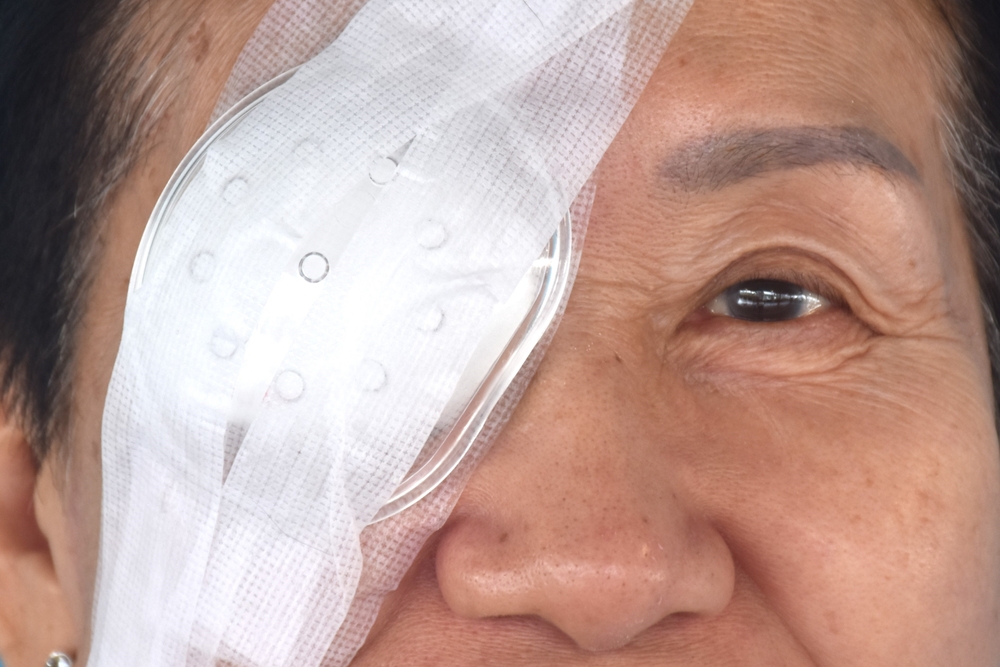
Cataract surgery removes the cloudy lens and replaces it with a clear artificial lens called an intraocular lens (IOL). It is one of the most common and successful surgeries performed in the United States. When cataracts affect both eyes, most surgeons treat them in two separate procedures. This allows the first eye to heal before the second surgery. That way, the surgeon can confirm there is no infection, inflammation, or pressure problem. The results of the first eye also show how accurately the chosen lens power matched your vision goals, which helps the surgeon fine-tune the lens for the second eye. The second surgery is often scheduled one to a few weeks after the first.
Can You Have Cataract Surgery on Both Eyes at the Same Time?
Yes, although it is less commonly done and often not recommended. The procedure is called immediately sequential bilateral cataract surgery (ISBCS), and the surgeon operates on one eye, then the other, during the same visit.
To lower the risk of infection spreading between eyes, each eye is treated as a completely separate surgery. The team uses new sterile instruments, fresh drapes, and separate supplies for the second eye.
Same-day surgery may make sense for certain patients, such as:
- People who need general anesthesia for surgery
- Patients who have difficulty traveling to multiple appointments
- Healthy patients with low surgical risk and straightforward cataracts
The main tradeoff is that the surgeon cannot use the first eye’s results to adjust the plan for the second. A complication, while rare, could also affect both eyes at once. Your surgeon can help you weigh these factors based on your eye health and lifestyle.
How Do You Know When It’s Time for Cataract Surgery?
There is no set point at which a cataract must come out. Most surgeons recommend surgery once the cataract starts interfering with the things you need or want to do, such as driving, reading, working, or enjoying hobbies.
A few signs suggest you may be ready, like when updated glasses no longer sharpen your vision, or you avoid driving at night because of glare. Some patients struggle to read medication labels, recognize faces across a room, or meet the vision requirement for a driver’s license. Others notice they have become less steady on stairs or curbs, which can raise the risk of falls.
When cataracts affect both eyes, surgery usually begins with the eye that has the most vision loss. The second eye may be scheduled soon after or may wait until its cataract progresses further.
Your eye doctor can measure how much each cataract affects your vision, but your own experience matters just as much. Share the specific tasks that have become harder so your doctor can help you decide on the right timing.
Protecting the Vision in Both of Your Eyes
Cataracts in both eyes are a normal part of aging, and they are highly treatable. Regular comprehensive eye exams catch changes in each eye early, before the weaker eye starts affecting daily life. The experienced cataract surgeons at Eye Care & Vision Associates evaluate each eye individually and build a treatment plan around your needs.
Noticing cloudy or blurry vision in one or both eyes? Schedule an appointment at Eye Care & Vision Associates in Buffalo, NY, online or by calling 716.631.EYES (3937) to find out whether cataracts are affecting your vision.