
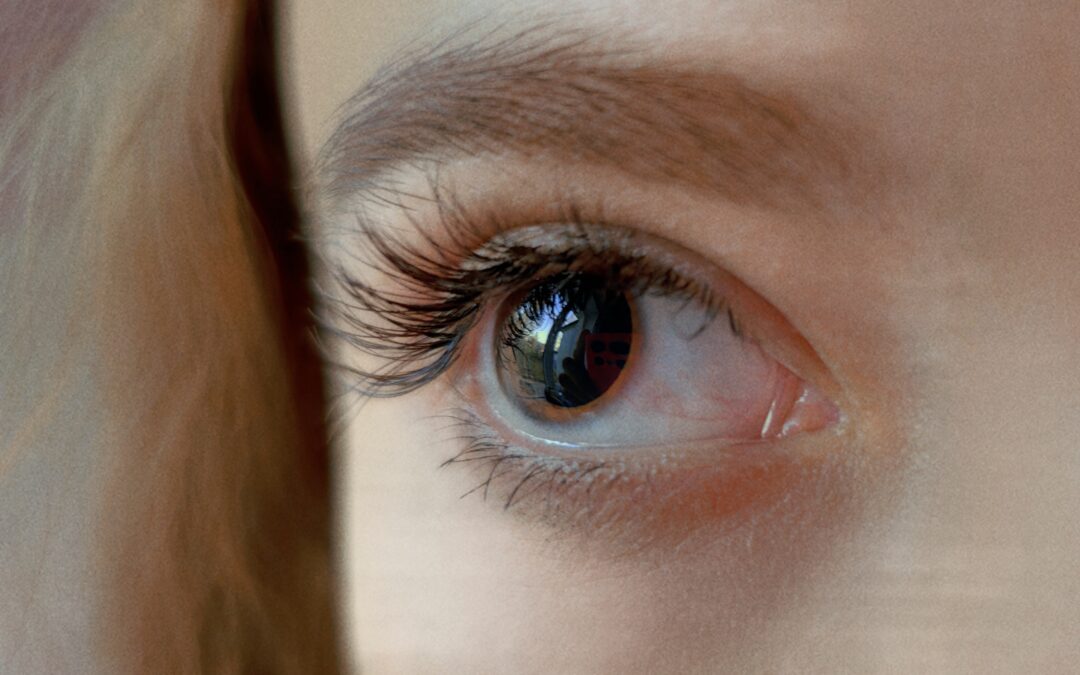
The technician finishes checking your vision, then reaches for a small bottle of eye drops. A few minutes later, the room seems brighter and the text on your phone starts to blur. Those drops are dilating drops, and eye doctors use them to dilate your pupils so they can get a clear look inside your eyes.
Keep reading to learn what dilation does, what your doctor looks for, and what to expect afterward.
What Happens When Your Pupils Are Dilated?
Your pupil is the only opening that lets them see inside and to the back of your eye. Dilation widens that opening so your doctor can examine the delicate structures at the back of the eye, where many serious conditions begin without symptoms. Since it constantly changes size to control how much light enters the eye, in a bright exam room, it shrinks, leaving only a tiny window for your doctor to look through.
Dilating eye drops temporarily block that response. Some relax the muscle that makes the pupil smaller, while others stimulate the muscle that opens it. Many practices use a combination of the two, and the drops usually take full effect in about 20 to 30 minutes.
Why Do Eye Doctors Dilate Your Pupils for a Complete View?
Once your pupils are wide, your doctor uses a bright light and special magnifying lenses to study the inside of your eye. Dilation is one step in a comprehensive eye exam that also checks your prescription, eye pressure, side vision, and the front of the eye.
With a dilated view, your doctor can evaluate:
- The retina, the light-sensitive tissue lining the back of the eye
- The macula, the small central area responsible for sharp detail vision
- The optic nerve, which carries visual signals to the brain
- The blood vessels that nourish the retina
- The outer edges of the retina, which are nearly impossible to see through an undilated pupil
Your eye doctor needs to routinely view the full retina for many reasons. For example, some retinal tears and early disease changes appear first in the far periphery, well outside the narrow view a small pupil allows.
What Conditions Can a Dilated Eye Exam Detect?
Many eye diseases cause no pain and no noticeable vision changes in their early stages. A dilated eye exam allows your doctor to find them while treatment can still protect your sight.
Glaucoma and Optic Nerve Changes
Glaucoma damages the optic nerve, often so gradually that side vision fades without the patient noticing. During a dilated exam, your doctor checks the shape and color of the optic nerve for cupping or thinning that signals damage. Along with pressure readings and visual field tests, this view helps confirm a diagnosis before significant vision is lost.
Diabetic Retinopathy
High blood sugar can weaken the tiny blood vessels in the retina, causing them to leak or grow abnormally. Diabetic retinopathy often produces no symptoms until it has advanced, which is why the American Diabetes Association recommends regular dilated exams (typically once a year) for people with diabetes.
Macular Degeneration
Age-related macular degeneration affects central vision, making it harder to read, drive, and recognize faces. A dilated exam lets your doctor see drusen (yellow deposits beneath the retina) and pigment changes in the macula.
Retinal Tears and Detachments
A retinal tear often starts at the outer edge of the retina, the area dilation brings into view. New flashes and floaters can signal a tear, and prompt treatment can often keep it from progressing to a detachment thatthreatens vision. Anyone who notices a sudden shower of floaters or a curtain-like shadow should call an eye doctor the same day.
How Often Should You Have Your Eyes Dilated?
The right schedule depends on your age, health, and family history. Many eye doctors recommend a baseline comprehensive eye exam at age 40 for adults without symptoms or risk factors, since early signs of disease become more common around that time. After 65, you may be told to schedule eye exams every one to two years. People with diabetes, high blood pressure, a family history of glaucoma, or high nearsightedness may need dilation more often. Your eye doctor will set an interval based on what they find at each visit.
 What to Expect After Your Pupils Are Dilated
Dilation is painless, though the drops may sting briefly. The effects usually last four to six hours and can linger longer in children and people with lighter-colored eyes.
Common short-term effects include:
- Sensitivity to bright light, so bring sunglasses for the trip home
- Blurry near vision, which can make reading or using a phone difficult for a few hours
- Increased glare while driving, so arrange a ride if you are unsure how your eyes will respond
Many patients schedule dilated exams for a time when they do not need to return to detailed work right away. If blurriness or light sensitivity lasts beyond a day, or you develop eye pain or a headache, contact your eye doctor.
Seeing the Full Picture of Your Eye Health
Eye doctors dilate your pupils because it gives them the clearest, most complete view of the retina, macula, and optic nerve. That view makes it possible to catch glaucoma, diabetic retinopathy, macular degeneration, and retinal tears early, often before you notice any change in your vision
The experienced doctors at Eye Care & Vision Associates include dilated exams as a standard part of protecting vision for patients across Western New York.
Is it time for a dilated eye exam? Schedule an appointment at Eye Care & Vision Associates in Buffalo, NY, online or by calling 716.631.EYES (3937) to have the health of your eyes checked from front to back.