
Do you really need an eye exam if your vision seems fine? It’s one of the most common questions eye doctors hear, and the answer is yes, for reasons that go well beyond your prescription.
Most people think of an eye exam as a way to check whether they need glasses or update their current pair. In reality, a comprehensive eye exam can give your doctor insight into other conditions that may be happening within the body.
The eye is the only place where a doctor can directly see blood vessels and nerve tissue without surgery or special scanning equipment. That makes it a genuinely useful tool for spotting health conditions you might not know you have.
Keep reading to learn what your eye doctor can uncover during a routine visit and why making time for regular exams matters for your overall health, not just your eyesight!
What Makes the Eye Such a Useful Diagnostic Window
Before getting into the specific conditions, it helps to understand why an eye exam can catch them.
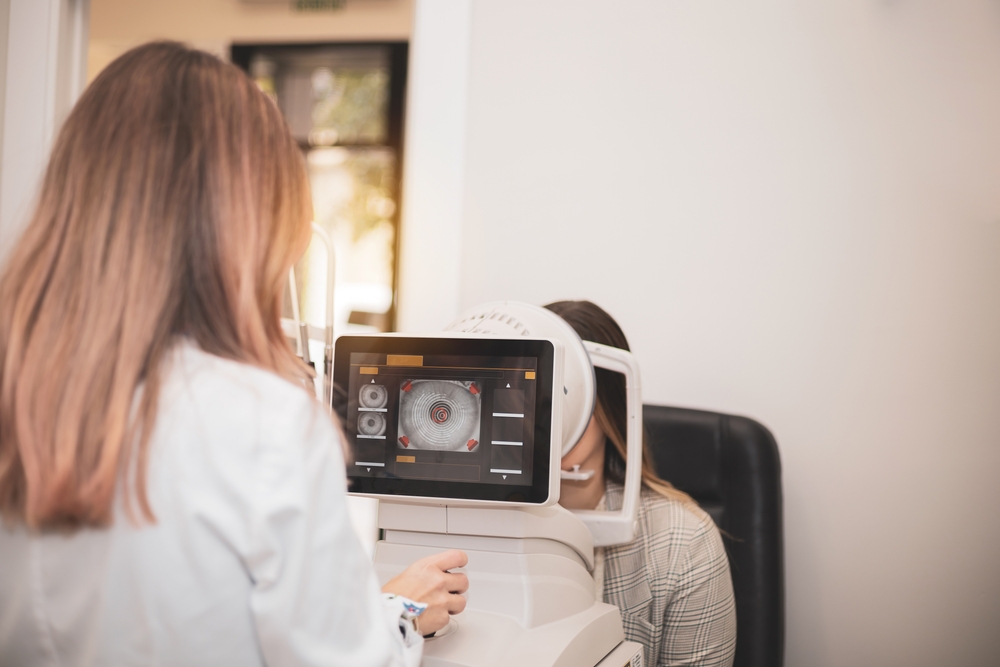
During a comprehensive eye exam, your doctor examines the retina (the light-sensitive tissue at the back of your eye), the optic nerve, the blood vessels inside the eye, and the pressure of the fluid within it. Dilation drops are often used to widen the pupil, giving the doctor a much clearer, wider view of these structures.
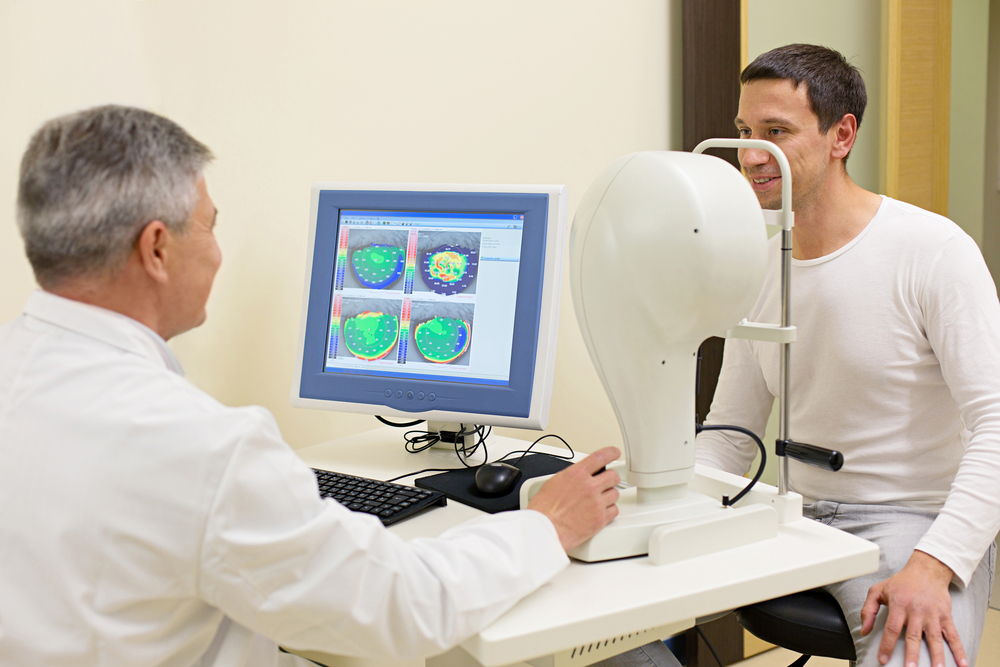
At Eye Care & Vision Associates, our doctors also use advanced imaging tools such as optical coherence tomography (OCT) and retinal photography to capture detailed images of the eye’s inner layers. These images can be compared year over year to track even subtle changes over time.
Brain and Nervous System Conditions Your Eyes Can Signal
Changes in how the eye looks can point to conditions occurring well beyond the eye, even in the nervous system.
Multiple Sclerosis
For some people, an episode of sudden blurred vision in one eye, pain when moving the eye, or colors that look washed out is the first noticeable sign of multiple sclerosis (MS). This happens because MS can cause inflammation along the optic nerve, a condition called optic neuritis.
An eye doctor who spots these signs will typically refer the patient to a neurologist for further evaluation. In many cases, this is the first step toward an MS diagnosis the patient didn’t yet know they needed.
Dangerous Pressure Inside the Skull
Swelling at the back of the optic nerve, called papilledema, can indicate that pressure is building inside the skull. This is a serious finding that may point to a brain tumor, meningitis, or a condition called pseudotumor cerebri. A patient with papilledema often has no obvious symptoms until a doctor notices it during an exam. When this finding appears, urgent follow-up with a specialist is needed.
What the Retinal Blood Vessels Reveal About Your Heart and Circulation
The tiny blood vessels in the retina give doctors a direct look at the health of your circulatory system. When those vessels are under stress, the signs show up in the eye.
High Blood Pressure
During an eye exam, your doctor looks for retinal changes like narrowed blood vessels, small hemorrhages, or white patches called cotton-wool spots, all of which can indicate that blood pressure has been elevated for some time.
The pattern and severity of these changes can suggest how long the condition may have been present. Patients who have no idea their blood pressure is high have been referred to their primary care doctor after an eye exam finding led to a diagnosis.
High Cholesterol
Cholesterol deposits can also show up in the eye. Fatty buildup can appear along the edges of the cornea (the clear front surface of the eye) or as blockages within the retinal blood vessels. These findings are often incidental, spotted in patients who came in for a routine exam and had no idea their cholesterol levels were a concern.
What Eye Exams Detect About Diabetes and Blood Sugar
Diabetes affects blood vessels throughout the entire body, and the small vessels inside the eye are particularly vulnerable. A condition called diabetic retinopathy develops when sustained high blood sugar weakens and damages those retinal vessels, causing them to leak, swell, or grow abnormally.
The most important thing to understand about diabetic retinopathy is that it can develop without any noticeable vision changes in its early stages. By the time blurry vision or floaters appear, significant damage may already be present. Regular retinal imaging during an eye exam allows the doctor to catch these changes early, when they are far more manageable.
For patients who haven’t yet been diagnosed with diabetes, the retinal findings from an eye exam can be the first indication that blood sugar needs to be checked. Some patients have walked into an appointment thinking they were just overdue for a new prescription and left with a referral that led to a diabetes diagnosis.
The team at Eye Care & Vision Associates regularly monitors patients with diabetic eye disease and those at risk, using retinal imaging at every visit to track any changes.
Other Conditions a Thorough Exam May Uncover
The list of health conditions with visible signs in the eye extends further than most patients expect.
Thyroid eye disease, which is closely linked to an overactive thyroid condition called Graves’ disease, can cause the tissues around the eye to swell and the eyes to appear prominent or bulging. Patients may notice double vision or difficulty closing their eyes fully. An eye doctor is often the first to recognize these physical changes and connect them to an underlying thyroid problem.
Autoimmune conditions like rheumatoid arthritis and lupus are associated with inflammation inside the eye known as uveitis. Uveitis causes redness, light sensitivity, and pain, and it often recurs if the underlying condition isn’t addressed. An eye doctor who identifies uveitis may recommend working alongside a rheumatologist to investigate whether a systemic autoimmune disease is driving it.
In some cases, certain cancers that spread from other parts of the body can leave traces in the retina or the tissue beneath it, occasionally prompting further investigation in patients who had no prior cancer diagnosis.
Ready to schedule your next visit? Schedule an appointment at Eye Care & Vision Associates at one of our four Western New York locations in Buffalo, Williamsville, Orchard Park, and Niagara Falls, by clicking this link or calling us at 716.631.EYES (3937), today!