
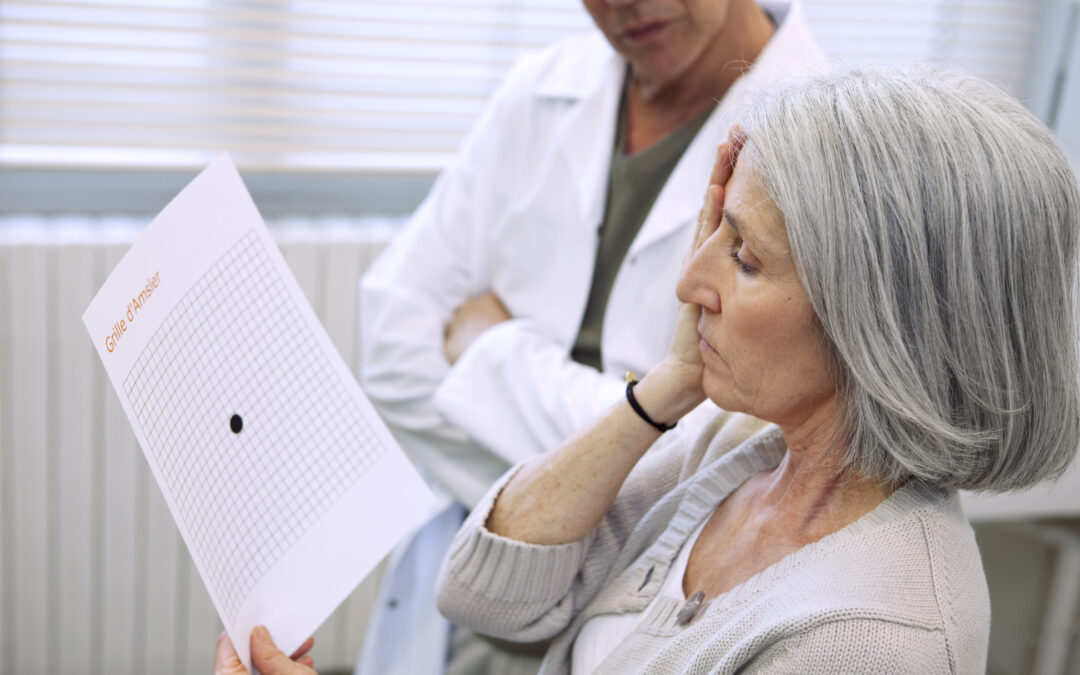
The retina, a thin layer of tissue at the back of your eye, can develop problems over time that affect how clearly you see. Many people assume vision loss is an unavoidable part of aging, but that’s not entirely true.
Your retina is particularly vulnerable to age-related changes because it works constantly to process light and send visual information to your brain. While some changes are natural, others can lead to serious vision problems if left unaddressed. However, you can take meaningful steps to protect your retinal health.
Keep reading to learn how your retina works, what age-related conditions can affect it, and what you can do to maintain healthy vision as you age!
What is the Retina and How Does it Work?
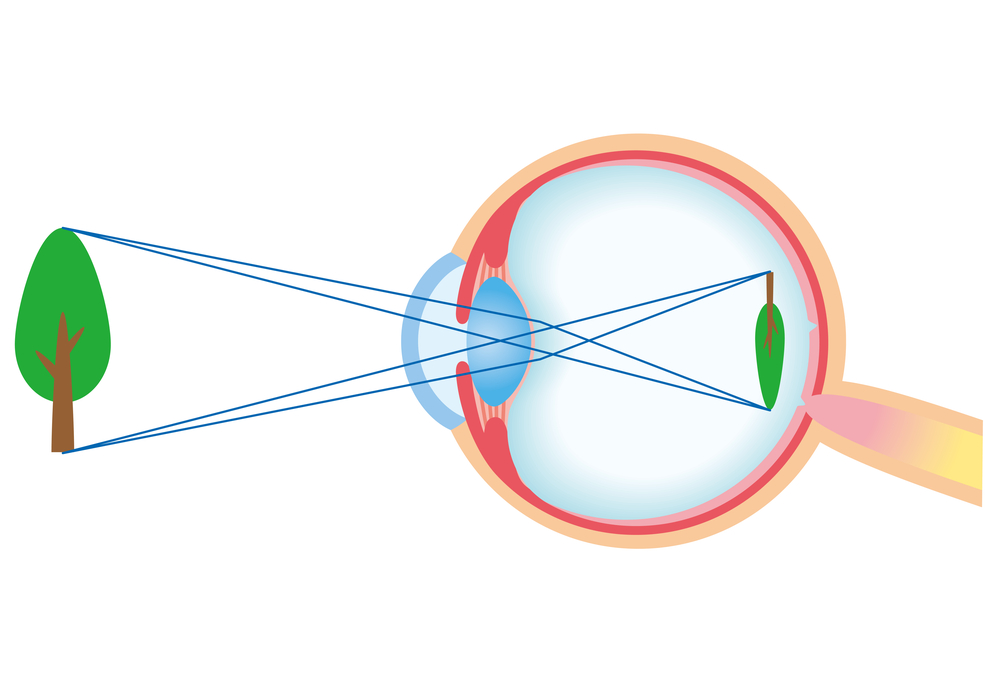
Your retina is a layer of specialized nerve tissue that lines the back of your eye.
When light enters your eye, it passes through the lens and hits the retina, which converts that light into electrical signals. These signals travel through your optic nerve to your brain, where they become the images you see.
The center of your retina contains a small area called the macula. This tiny spot provides the sharp, detailed vision you need for reading, recognizing faces, and driving.
The surrounding area, called the peripheral retina, gives you side vision and helps you navigate your environment.
Your retina contains millions of light-sensitive cells and delicate blood vessels that must function properly for healthy vision. During a comprehensive eye exam at Eye Care & Vision Associates, your eye doctor dilates your pupils with medicated drops to carefully examine your entire retina, checking for any signs of damage or disease.
What Happens to Your Retina as You Age?
Several conditions can affect your retina as you get older, each impacting your vision in different ways.
Age-related macular degeneration (AMD) is one of the most common forms of vision loss, occurring when the macula deteriorates over time. This condition can cause blurred central vision, difficulty reading, and trouble recognizing faces. AMD comes in two forms: dry AMD, which progresses slowly, and wet AMD, which can cause rapid vision loss.
If you have diabetes, you face additional risk for diabetic retinopathy. High blood sugar levels can damage the tiny blood vessels in your retina, causing them to leak fluid or bleed. This condition may not produce symptoms in its early stages, making regular eye exams essential.
There are many other eye conditions that can impact your retina, including retinal tears and detachments, and retinal vein occlusions. While some age-related changes are harmless, others require prompt treatment to prevent permanent vision loss. This is why regular, comprehensive eye exams are crucial for protecting your vision.
Can You Prevent Age-Related Retinal Damage?
While you can’t stop the aging process, you can take specific steps to reduce your risk of retinal damage. Research shows that certain lifestyle choices significantly impact your retinal health over time.
Lifestyle Factors That May Help Protect Your Retina
Your diet directly affects your retinal health. Foods rich in antioxidants, particularly vitamins C and E, zinc, and lutein, help protect retinal cells from damage. Leafy green vegetables like spinach and kale, colorful fruits and vegetables, and fish high in omega-3 fatty acids all support healthy retinas.
Protecting your eyes from ultraviolet light is another important factor. UV exposure over many years can contribute to retinal damage. Wearing sunglasses that block 100% of UVA and UVB rays whenever you’re outdoors helps shield your retinas from this cumulative damage.
If you have diabetes or high blood pressure, managing these conditions becomes essential for retinal health. High blood sugar and elevated blood pressure can damage the delicate blood vessels in your retina. Smoking is another major risk factor for retinal disease.
If you smoke, quitting is one of the most effective steps you can take to protect your vision.
Schedule Regular Comprehensive Eye Exams
Early detection makes a significant difference in preserving your vision.
Many retinal conditions develop without obvious symptoms at first, which is why regular comprehensive eye exams become increasingly important as you age. If you’re over 60, you should have your eyes examined annually.
Those with diabetes or a family history of eye disease may need more frequent exams.
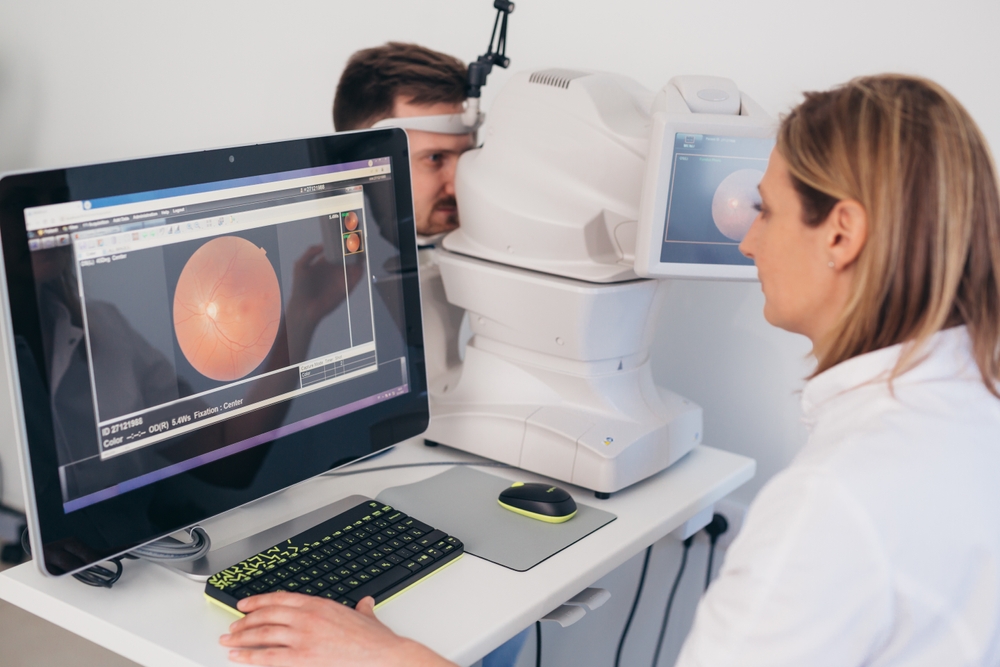
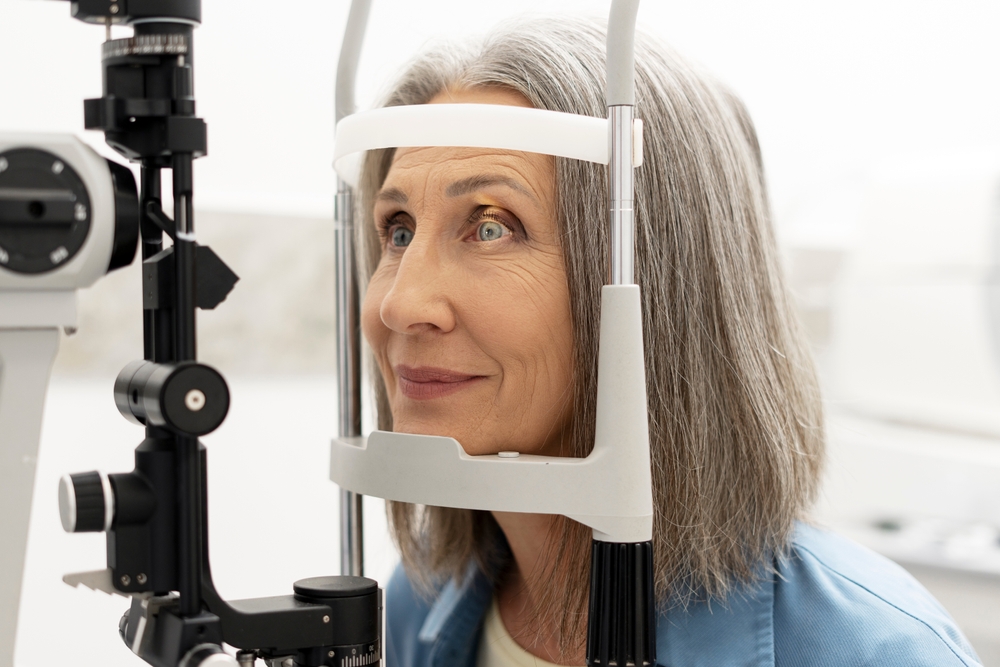
During a dilated examination at Eye Care & Vision Associates, your eye doctor uses specialized magnifying lenses and lights to thoroughly examine your retina and detect any early signs of damage.
How is Retinal Damage Detected and Monitored?
Your eye doctor uses several techniques to evaluate your retinal health. The comprehensive dilated examination remains the foundation of retinal evaluation.
After applying medicated drops to widen your pupils, your doctor can see the entire retina, including areas near the edges. The dilation typically reverses within a few hours.
Advanced imaging technology provides additional information about your retinal health.
Optical Coherence Tomography (OCT) creates detailed cross-sectional images of your retina, showing each layer in high resolution. This technology can detect subtle changes in retinal thickness and identify fluid accumulation within the retina.
Fundus photography captures detailed pictures of your retina, creating a permanent record that your doctor can compare over time to track any changes.
If your doctor finds any abnormalities during these examinations, they can develop a monitoring or treatment plan tailored to your specific condition.
What Are The Treatment Options?
Treatment for age-related retinal damage depends on the specific condition and how far it has progressed.
For certain conditions, your doctor may prescribe medicated eye drops to manage inflammation.
Intraocular injections have become an effective treatment for conditions like wet AMD and diabetic retinopathy. These injections deliver medication directly into the eye to stop abnormal blood vessel growth and reduce fluid leakage. Many people require these injections on a regular schedule to maintain their vision.
Laser therapy can treat specific retinal problems by sealing leaking blood vessels or creating small burns that prevent further damage. In more advanced cases, surgical procedures may be necessary to repair retinal detachments or remove scar tissue.
The key to successful treatment is starting early. Communicating your symptoms and health history to your eye doctor helps them make accurate diagnoses and recommend the most appropriate treatment for your situation.
Taking the Next Step for Your Retinal Health
Your retina is remarkably complex, and while aging naturally brings some changes, you have more control over your retinal health than you might think. Taking action now can make a real difference in preserving your vision for years to come.
If you’re due for an eye exam or have noticed any changes in your vision, don’t wait. Schedule a comprehensive retinal examination at Eye Care & Vision Associates today by clicking this link or calling the office at 716.631.EYES (3937), to ensure your retinas stay healthy and your vision remains clear.