
Have you noticed yourself holding books or menus farther away to read them clearly? Do oncoming headlights seem unusually bright when you drive at night? These seemingly minor changes in your vision could be early warning signs of cataracts.
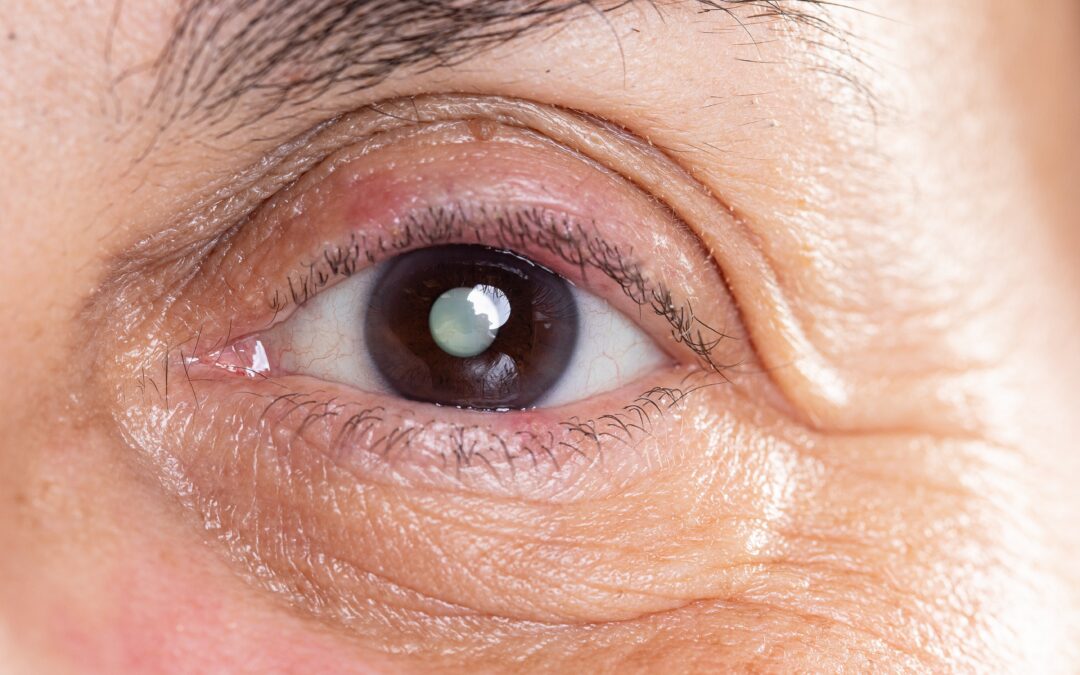
A cataract occurs when the normally clear lens inside your eye becomes cloudy or opaque, causing light to scatter rather than focus properly on your retina. This clouding develops gradually, often as part of the natural aging process, though it can also result from diabetes, eye injuries, certain medications, or prolonged sun exposure.
Recognizing the early signs of cataracts allows you to seek timely care and maintain your quality of life. Keep reading to learn about six warning signs that indicate it may be time for a comprehensive eye examination!
1. Blurred or Cloudy Vision
The most common early warning sign of cataracts is a gradual blurring or clouding of your vision.
You might notice that objects appear hazy or less distinct, similar to looking through a foggy window. Unlike sudden vision changes that can indicate other eye conditions, cataract-related blurriness develops slowly over months or years.
Many people initially assume they simply need a new glasses prescription, but the cloudiness persists even with corrected lenses. This happens because the cataract is physically blocking and scattering light as it passes through your lens.
The blurring may be subtle at first, affecting only certain activities like reading small print or recognizing faces at a distance. As the cataract progresses, the cloudiness becomes more noticeable and begins to interfere with daily tasks.
2. Increased Sensitivity to Light and Glare

If you find yourself squinting more often in bright sunlight or feeling uncomfortable under fluorescent lights, cataracts could be the cause. Light sensitivity and glare are common early symptoms that many patients notice before other vision changes become apparent.
The clouded lens scatters incoming light in multiple directions instead of allowing it to pass through smoothly, creating uncomfortable glare and making bright environments challenging. You might struggle with the glare from oncoming headlights while driving at night, or find that sunny days require you to wear sunglasses even when you never needed them before.
Indoor lighting, particularly bright overhead lights or reflections off shiny surfaces, can also become bothersome. This increased sensitivity often prompts people to avoid certain activities or environments, impacting their daily routines and social engagement.
3. Difficulty Seeing at Night
Many people with developing cataracts report that their night vision seems worse than it used to be. Driving after dark becomes increasingly difficult as street signs appear less clear and it takes longer to adjust when moving between bright and dim lighting.
The clouded lens reduces the amount of light reaching your retina, which particularly affects your ability to see in low-light conditions. You might notice that you need more light to read comfortably in the evening, or that navigating your home at night has become more challenging. This symptom can significantly impact your independence and safety, especially if you regularly drive at night or live in an area with limited street lighting.
4. Colors Appear Faded or Yellowed
Cataracts can change how you perceive colors, making them appear duller, faded, or with a yellowish tint.
This happens because the proteins in your lens begin to clump together and may take on a yellow or brown discoloration as the cataract develops. You may realize that white objects no longer look as bright, or that distinguishing between similar shades has become more difficult.
Because this change happens slowly over time, many patients only recognize how much their color perception was affected after cataract surgery restores the true vibrancy of colors.
5. Frequent Changes in Glass Prescription
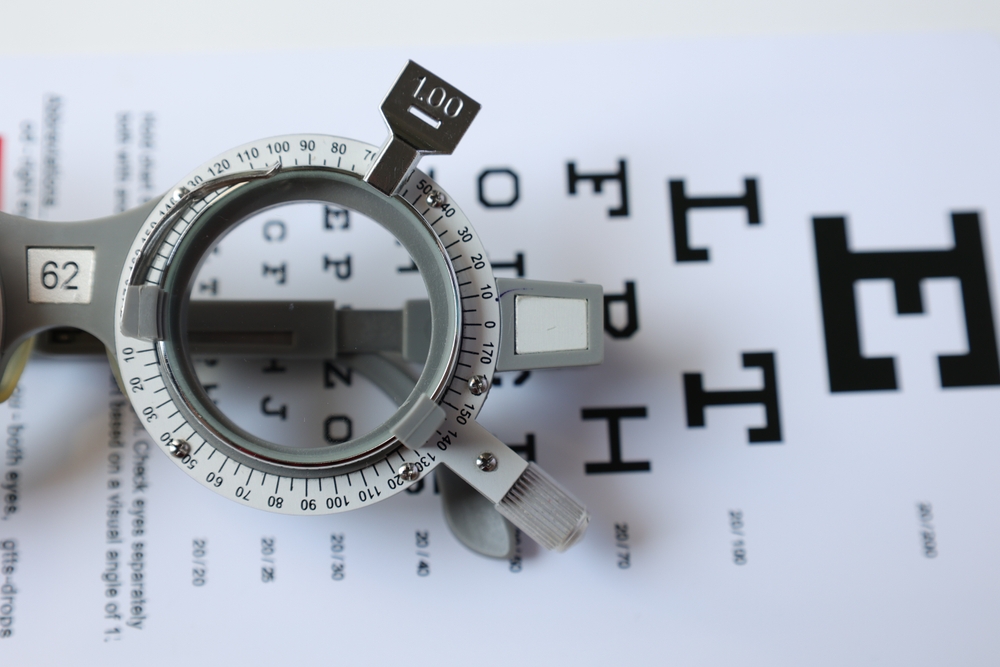
If your eye doctor keeps adjusting your glasses prescription and you still can’t see clearly, a developing cataract might be the underlying issue. As the cataract progresses, it changes the shape and density of your lens, altering how light bends as it enters your eye.
This causes your vision to shift, making your current prescription less effective. You might find yourself needing new glasses every few months, only to have your vision deteriorate again shortly after.
Some people experience temporary improvements in near vision, a phenomenon called “second sight,” where they can suddenly read without glasses after years of needing them. However, this improvement is short-lived as the cataract continues to develop.
Frequent prescription changes that don’t seem to solve your vision problems are a signal that the issue lies with your lens itself rather than your eye’s focusing ability.
6. Seeing Halos Around Lights
Halos appear as bright circles or rings surrounding light sources, particularly noticeable around streetlights, car headlights, or lamps at night. This occurs when the clouded lens scatters light in a circular pattern rather than focusing it precisely on your retina.
The halos can make night driving especially challenging and potentially unsafe, as they obscure your view of the road and surrounding traffic. While halos can occasionally result from other eye conditions, their presence alongside other symptoms on this list suggests cataract development.
When Should You See an Eye Doctor?
If you recognize one or more of these early warning signs of cataracts, schedule a comprehensive eye examination with your eye doctor at Eye Care & Vision Associates.
Only a thorough evaluation can determine whether cataracts are causing your symptoms or if another eye condition requires attention. During your examination at Eye Care & Vision Associates, your eye doctor will perform several tests to assess your vision and examine the clarity of your lens.
These tests help determine the type, location, and severity of any cataracts present. Early detection is valuable because it allows you to understand how cataracts may progress and gives you time to plan for treatment when it becomes necessary.
While cataracts themselves are not a medical emergency, the vision changes they cause can impact your safety and quality of life, making timely evaluation important for maintaining your independence and daily activities.
If you’re experiencing any of these early warning signs of cataracts, schedule an appointment at Eye Care & Vision Associates in Buffalo, NY, by clicking this link or calling the team at 716.631.EYES (3937)!