

Have you ever noticed sudden flashes of light in the corner of your eye or small dark spots drifting across your vision? These experiences can be alarming, especially when they appear without warning. Many people worry that these symptoms signal something serious happening with their eyesight.
Flashing lights and floaters are actually quite common visual experiences that can have several different causes. While they’re often harmless and related to normal aging, sometimes they can indicate conditions that need prompt attention.
Keep reading to learn what’s really happening in your eyes when you see these phenomena, what might be causing them, and when you might need to see your eye doctor!
What Are Eye Flashes and Floaters?

Eye flashes appear as brief streaks or flickers of light, often described as lightning bolts, camera flashes, or shimmering lights in your peripheral vision. They typically last only seconds and may occur more frequently when you move your eyes or are in dim lighting.
Floaters look like small dark shapes that drift across your field of vision. People often describe them as spots, threads, squiggly lines, or even tiny cobwebs. Unlike flashes, floaters move as your eyes move and seem to dart away when you try to look directly at them.
Both symptoms occur because of changes in the vitreous, the clear, jelly-like substance that fills most of your eye. This gel helps maintain your eye’s round shape and allows light to pass through to your retina.
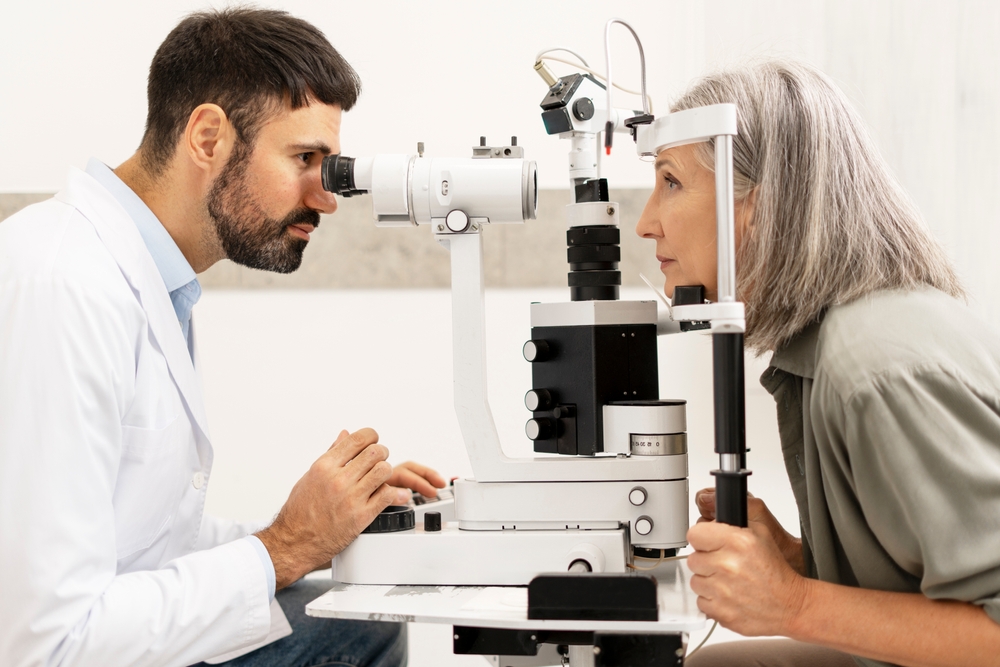
Due to age or certain conditions, the vitreous can change consistency or position, creating these visual effects. Modern diagnostic equipment allows eye care professionals to examine these structures closely and determine what’s causing your specific symptoms.
What Causes Flashing Lights in Your Vision?
Several conditions can trigger the perception of flashing lights in your eyes.
Vitreous Detachment
The most common cause of eye flashes is a condition called posterior vitreous detachment.
As you age, the vitreous gel naturally becomes more liquid and may pull away from the retina. This tugging motion creates the sensation of flashing lights, particularly when you move your eyes quickly or are in darker environments.
This process typically happens gradually and affects most people over age 60.

Retinal Issues
More concerning causes of flashes include problems with the retina itself. A retinal tear occurs when the pulling vitreous actually damages the delicate retinal tissue. Retinal detachment happens when the retina separates from the underlying tissue that nourishes it. Both conditions require immediate medical attention to prevent permanent vision loss.
Migraine with Aura
Some people experience flashing lights as part of a migraine aura, even without a headache. These visual migraines typically create zigzag patterns or shimmering lights that last 10 to 30 minutes. Unlike retinal causes, migraine-related flashes usually affect both eyes and move across your vision in a specific pattern.
What Causes Eye Floaters?
Floaters develop from various changes within your eye, most commonly related to the natural aging process. However, certain conditions can cause them to appear suddenly or in greater numbers.
Age-Related Vitreous Changes
The primary cause of floaters is the natural aging of the vitreous gel. Over time, this clear substance becomes less uniform, developing tiny clumps or strands that cast shadows on your retina. These shadows are what you see as floaters. Most people begin noticing occasional floaters in their 40s and 50s, with symptoms becoming more common as they age.
Inflammation and Infection
Conditions that cause inflammation inside the eye can increase the number of cells floating in the vitreous. Eye infections, autoimmune disorders, or inflammatory diseases elsewhere in the body sometimes trigger this response. These floaters often appear more suddenly than age-related ones and may be accompanied by eye pain, redness, or sensitivity to light.
Blood in the Vitreous
Sometimes small blood vessels in the eye leak, causing blood cells to float in the vitreous. This condition, called vitreous hemorrhage, can result from diabetes, high blood pressure, injury, or retinal problems. Blood-related floaters often appear as many small dark spots or a larger cloud-like shadow in your vision.
When Should You Seek Immediate Medical Attention?
While many flashes and floaters are harmless, certain warning signs indicate you need urgent eye care. Recognizing these symptoms can help preserve your vision.
Sudden onset of multiple new floaters, especially when accompanied by flashes, requires immediate evaluation. If you notice a curtain or shadow moving across your vision, this suggests possible retinal detachment.
Similarly, if you experience a sudden increase in the size or number of floaters, particularly after eye trauma or surgery, don’t wait to seek care.
Other concerning symptoms include seeing flashes without any floaters (which might indicate retinal problems), experiencing vision loss in one or both eyes, or noticing severe eye pain along with visual changes. These symptoms often indicate serious conditions that can cause permanent vision damage if not treated quickly.
The difference between normal age-related changes and emergency situations often lies in timing and severity. Gradual development of a few floaters over months is typically normal, while sudden changes happening over hours or days warrant immediate attention.
How Are These Conditions Diagnosed and Treated?
Proper evaluation of flashing lights and floaters requires a comprehensive approach that examines both the front and back of your eye.
Comprehensive Eye Examination
During your evaluation, your eye doctor will dilate your pupils to get a clear view of the retina and vitreous. This allows them to identify any tears, detachments, or other problems that might be causing your symptoms.
Advanced imaging technology can provide detailed pictures of the retina’s layers, helping detect even subtle changes. Your doctor will also ask about when your symptoms started, how they’ve changed, and whether you’ve noticed any vision loss.
Treatment Options
Treatment depends entirely on what’s causing your symptoms.
Many cases of vitreous detachment and age-related floaters require only monitoring, as they often become less noticeable over time. However, retinal tears typically need laser treatment or surgery to prevent detachment. Retinal detachment requires immediate surgical repair to restore the retina to its proper position. For floaters that significantly impact daily activities, newer laser treatments can sometimes reduce their appearance, though this approach isn’t suitable for everyone.
If you’re experiencing flashing lights and floaters, don’t wait and worry about what they might mean. Schedule a comprehensive eye examination at Eye Care & Vision Associates by clicking this link or calling 716.631.EYES (3937) to get the answers and care you need for optimal vision health.