Cataracts affect millions of people as a natural part of the aging process. When proteins gradually accumulate in your eye's lens, they create cloudiness that leads to blurred, dimmed vision and difficulty with daily activities.
The good news is that cataract surgery ranks among the most successful and safest procedures performed today, with a remarkable success rate that has helped millions regain crystal-clear sight and renewed independence.






At ECVA, our specialized team of doctors and certified technicians is committed to providing the highest level of care for your eyes. For over 26 years, Eye Care & Vision Associates has been providing Western New York with comprehensive eye care. Our team has decades of expertise with state-of-the-art technology to deliver exceptional results.
Our mission is to deliver the highest quality eye care, resulting in the best quality outcomes. If your vision is getting cloudy, if you're losing your color perception, or if you're having trouble reading or driving at night, you may be developing cataracts.
Cataracts are a normal part of the aging process and can develop slowly. However, as cataracts mature, the cloudiness increases, potentially resulting in significant vision loss. ECVA's dedicated and compassionate medical team works tirelessly to help restore your vision and exceed your expectations.
When it comes to cataract surgery, you're making important decisions that will impact your vision for years to come. There are numerous factors to evaluate, including which type of lens implant is right for your lifestyle and what advanced technology and surgical techniques will benefit you most. Here are two key considerations to discuss:

When your cataract is removed, you will have the opportunity to correct the need for prescription glasses. Depending on the type of implant chosen, some patients may not require glasses ever, even to read! There are several types of artificial lenses that are available to cataract patients today. These include:
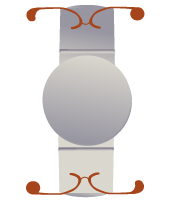
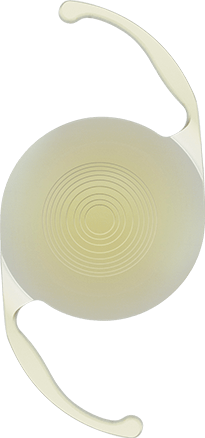
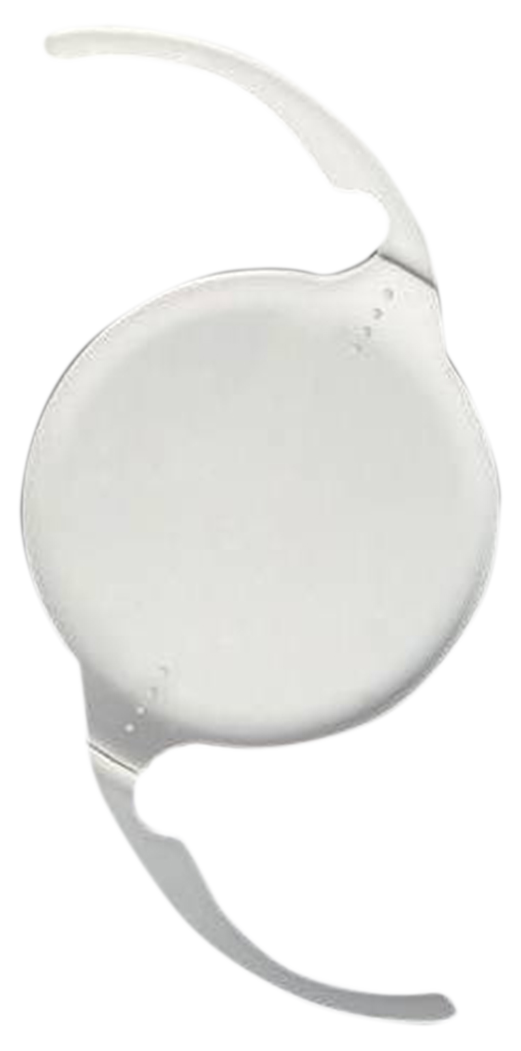
Your ECVA eye doctor will work closely with you to evaluate your lifestyle and vision needs, helping you choose the lens implant option that's best for you. If you have any questions or would like to schedule a consultation, please contact our office.

Premium lens implants are helping people over 40 and those with cataracts reclaim the active lifestyle they enjoyed in their younger years. The surgeons of ECVA have been trained in the latest intraocular surgery techniques involving lens implantation with multifocal, accommodating, and toric lens implants.
Before the new premium lens implant technologies that allow people to see at all distances, the only option for lens implants after cataract surgery was called MONOFOCAL. This means that the lens implant can only focus vision at one distance (far, middle, or near). For years, patients would get monofocal lens implants, but they still needed glasses after cataract surgery. In most cases, patients would choose a good distance lens and just use glasses for reading or when they needed to see up close.